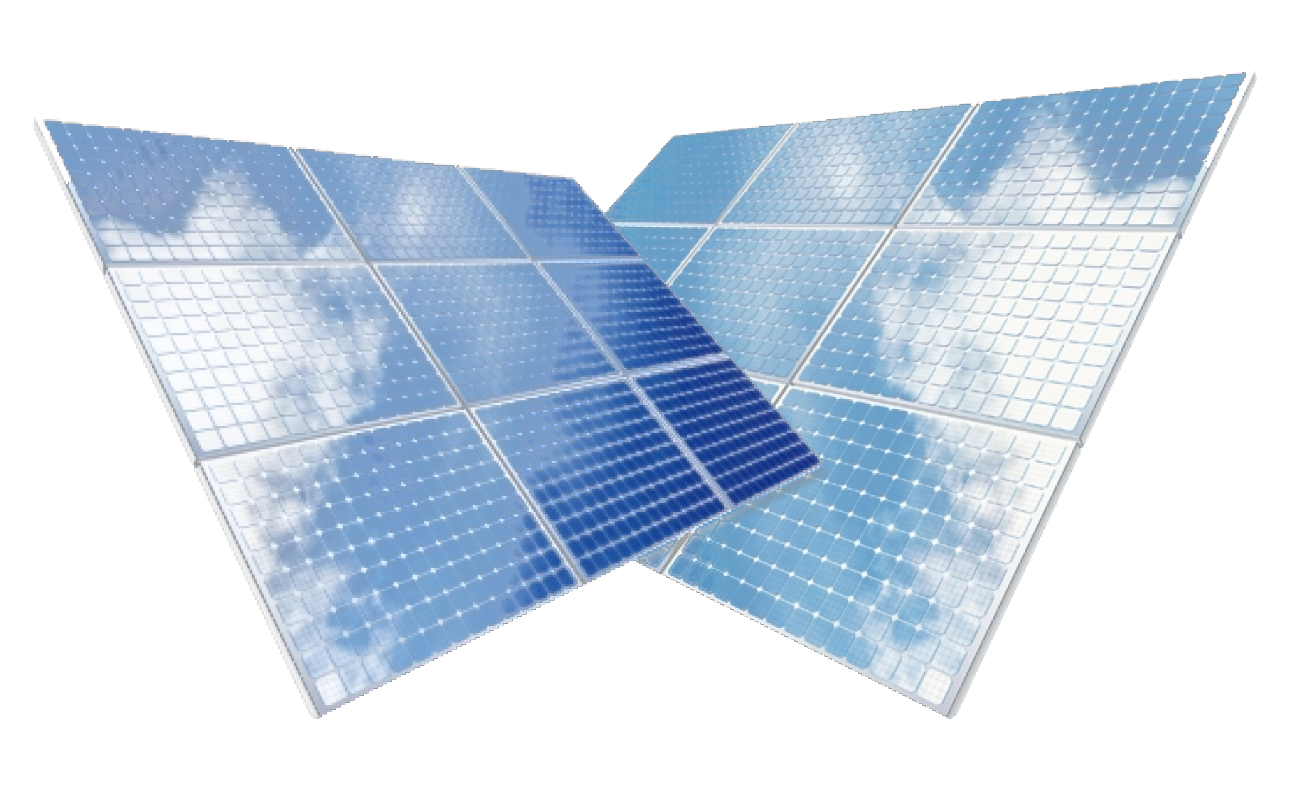
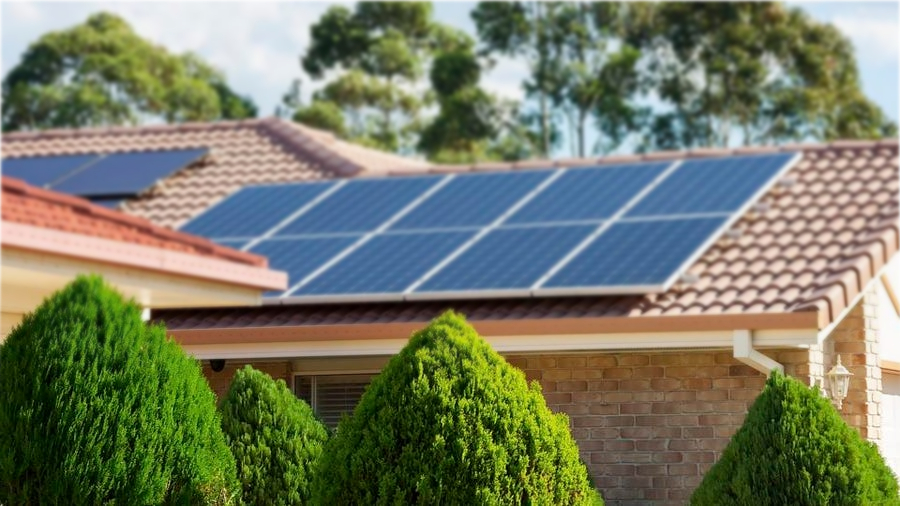
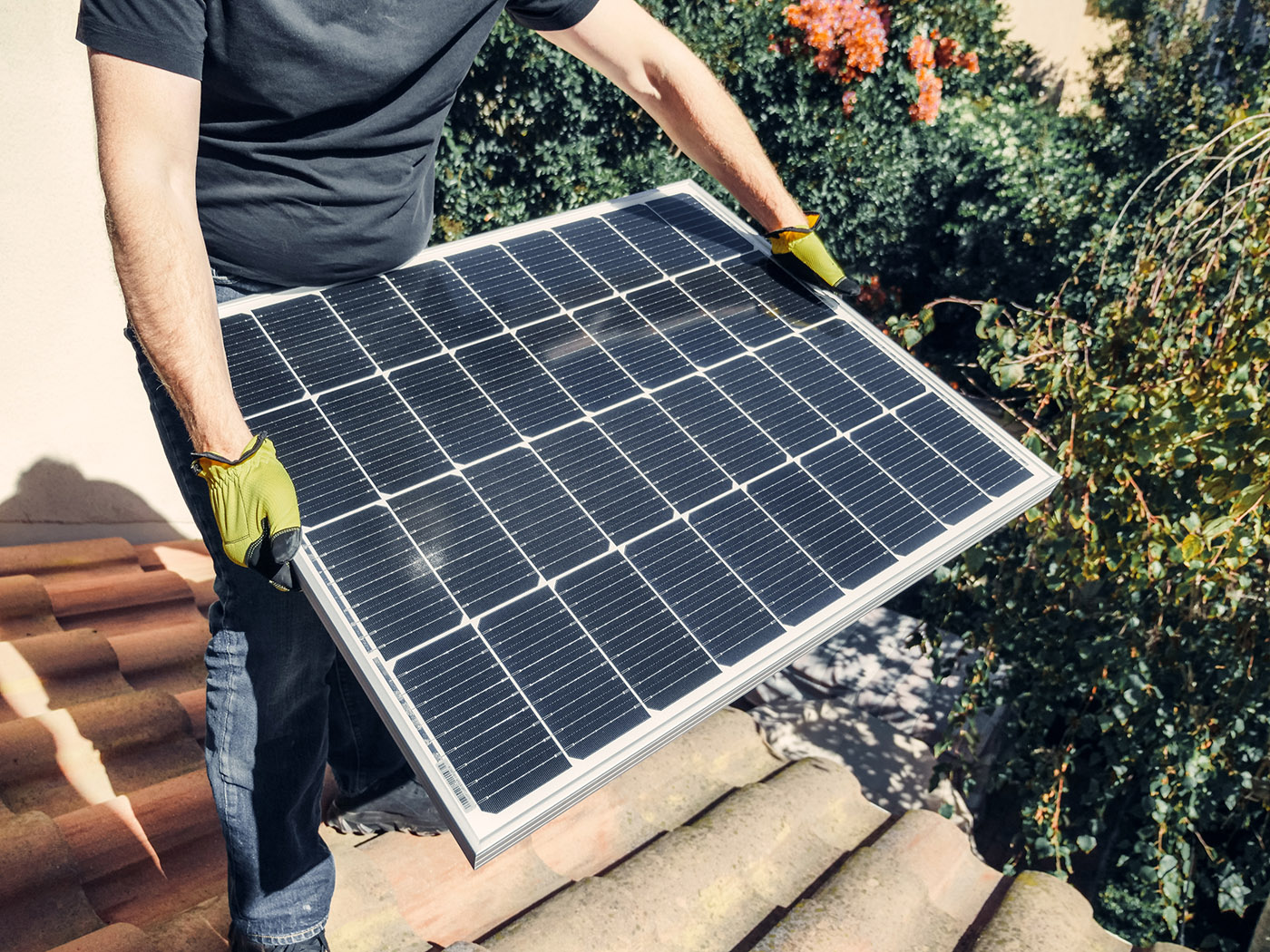
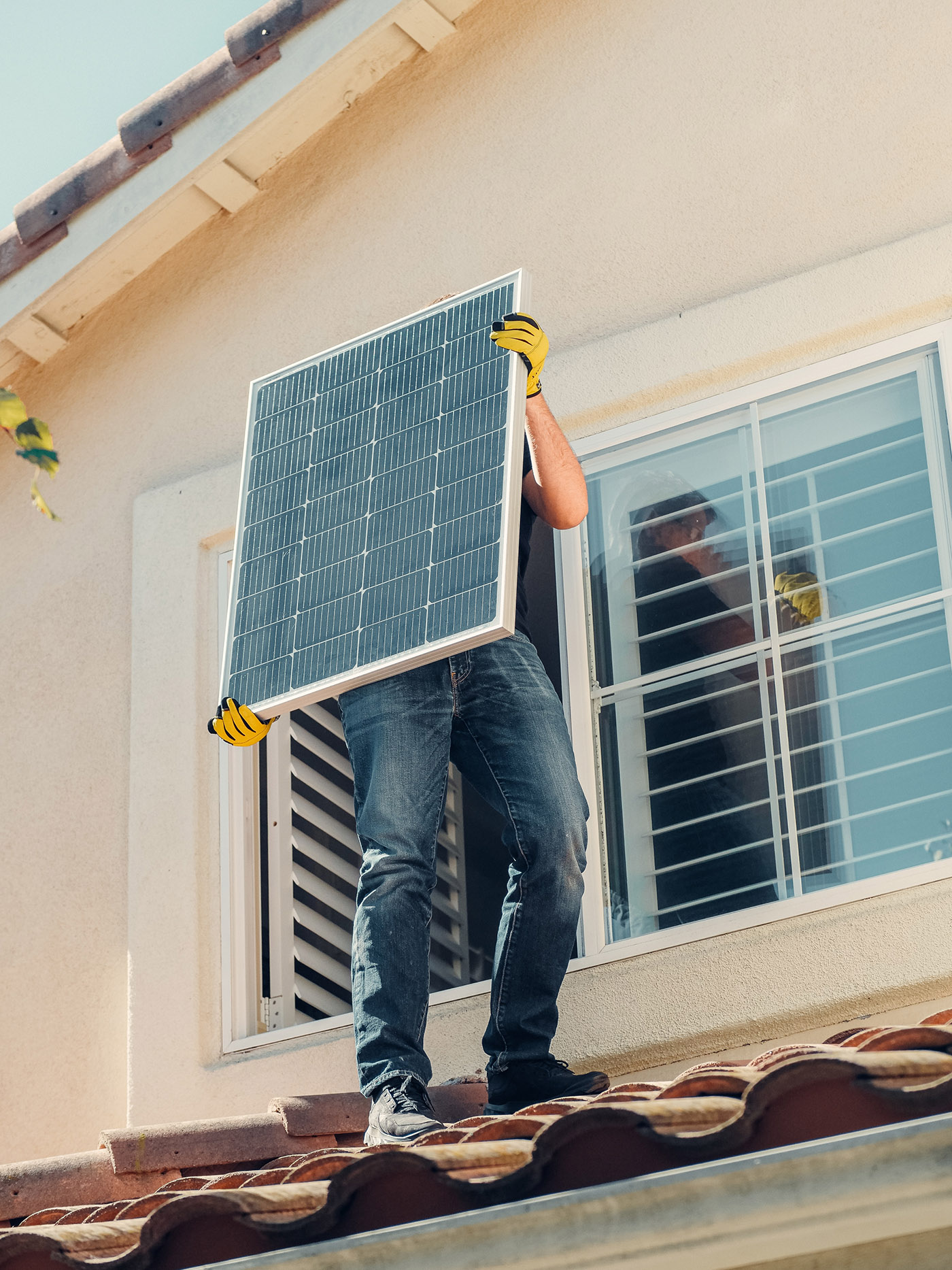
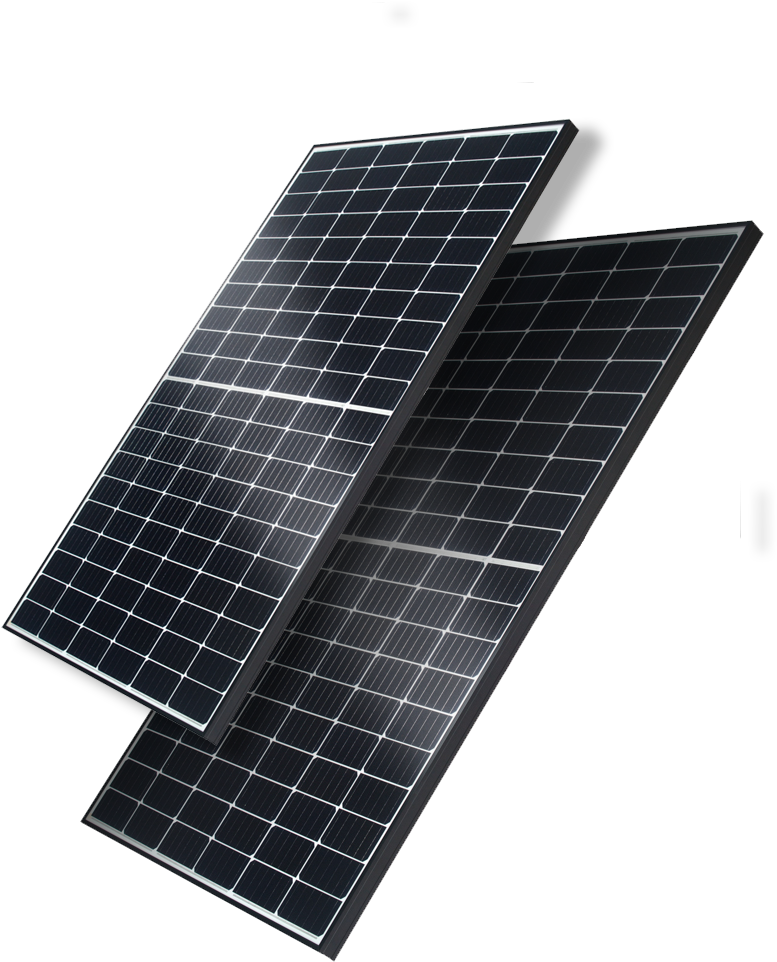
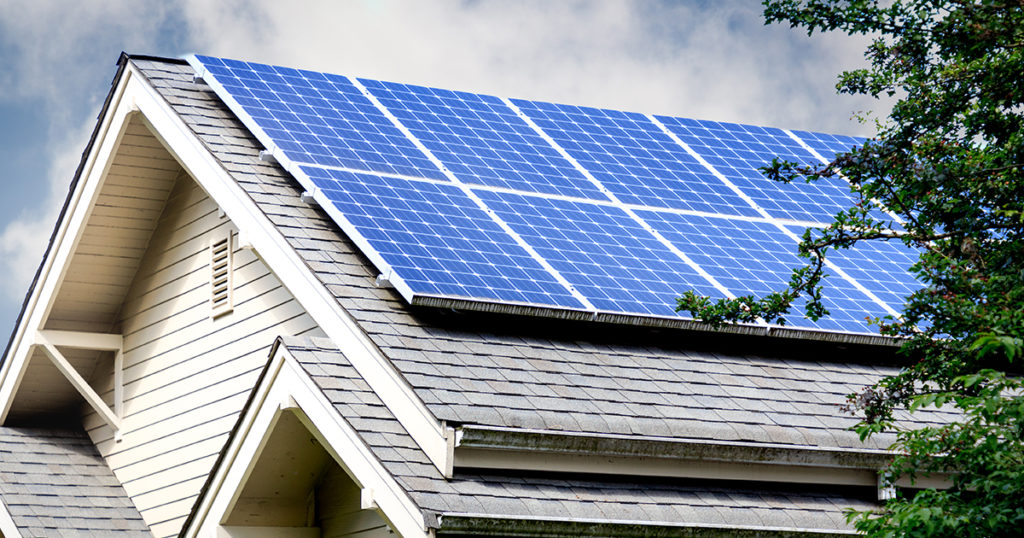
Put simply, solar panels convert sunlight into electricity through a set of chemical reactions. Most photovoltaic cells are made of thin slices of silicon, which are called semiconductor wafers. When light particles hit the solar panels, they do so in the form of small bundles of energy, called photons. When the photons strike the silicon atoms in the wafers – which consist of positively charged protons, neutral neutrons, negatively charged electrons –they dislodge the electrons from the atoms. The electrons move towards the positively charged pole of the cell in order to neutralize the electrical charge, creating an electrical current. This current is connected to your home’s power distribution unit and inverted into voltage.